Showing posts with label Del Carmen. Show all posts
Wednesday, August 21, 2013
SALE: HOT SUMMER FLINGS!
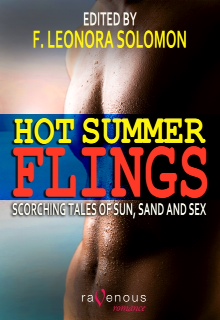
Del Carmen is happy to report the sale of her new erotica story, "Hot Summer Nights," to Ravenous Romance for their HOT SUMMER FLINGS anthology, edited by F.Leonora Solomon. The book comes out September 2013. Check out its sexy cover.
Friday, June 28, 2013
THE BUSINESS WOMAN COMES FIRST
by Maria C. Ferrer
I went to an RWA/NYC brunch where Eloisa James was the keynote speaker. She quoted Linda Lael Miller, and I still have that quote in my head:
You are 50% business woman, 50% writer. The business woman comes first!
Which means that I can’t afford to stay inside my cave, writing away, submitting when I have something, selling, and then retreating back to my writing cave? Those days are over. (If they ever were that easy.)
Nowadays, a writer must become a people person. And, the best time to start is NOW. This goes double for unpublished authors. Like Eloisa said, start building your platform now. When editors look at you, they will look to see if you have a platform, and the more established that platform – that presence – the better.
You are a writer. You can’t afford to be shy. Get out of your cave. If you are not doing all or some of the following, then get started.
• Join a writers’ group. You’re ahead of the game since you are a member of RWA/NYC! Now start making friends with your fellow members at the chapter meetings, at the critique group meeting, at the chapter outings.
• Make your name known. Write for the chapter newsletter and blog; sign up for the chapter blog tours. Check to see that your name is included on the chapter membership page with the link back to your website or blog.
• Attend readings and writer events. Like the monthly Lady Jane Salon readings, like NJRW’s annual conference, like the Jefferson Library Romance Book Club meeting. (At the latter, you get to read a romance and make friends. Dual benefit!)
• Make friends on the internet. Setup Facebook and Twitter accounts. If you write under a pseudonym, open the accounts under that name. Like the Lotto’s motto: You have to be in it, to win it. Friend your fellow RWA members, other writers, editors, agents, booksellers. “Share” their info and “retweet” messages. This will send them your name and they may in turn friend/follow you.
• Start a blog. It can be daily, weekly or monthly. Blog about your writing, your characters, your genre, the world you created, and all items related to any of the above. For example, I am writing a secret baby book so I just realized that I should do a “Baby Day” on my blog. Maybe pictures of cute babies, funny kid situations, kid jokes, et al. (NOTE: If you are scared to start a blog or don’t have time to start your own, write for the Chapter Blog!)
And, like Eloisa James, mentioned you want to “engage” your readers – even your potential readers. Be yourself. Be your writing persona. Be whomever, but be a savvy business woman.♥
Maria C. Ferrer is President of the Romance Writers of America / New York City chapter. She writers contemporaries under her name and erotica under the name of Del Carmen. Her stories have appeared in Penthouse, Cosmopolitan for Latinas, and Star magazines and have been published by Cleis Press and Ravenous Romance. Visit her at www.marializaferrer.blogspot.com and www.mydelcarmen.com.
Labels:
Del Carmen,
Eloisa James,
Linda Lael Miller,
Maria C. Ferrer,
RWANYC,
writing
Monday, March 4, 2013
GREAT DAMES OF ROMANCE LITERATURE
By Maria C. Ferrer
March is Women’s History Month and I would like to honor two extraordinary women in romance fiction –
Barbara Cartland and Corin Tellado.
Barbara Cartland
“Love conquers all” – that was the overall message in each of Barbara Cartland’s numerous romance novels. I devoured them in high school. In fact, my collection was bigger than the local library’s or the bookstore’s. She had her own line of romances -- thin volumes with the most romantic covers imaginable. I read one a day!
A relative of the late Princess Diana, Barbara Cartland sold over 100 million books in over 36 countries in as many languages. But she didn’t just write romance novels; she also wrote books on health and vitamins; and even penned several cookbooks. She is in the Guinness Book of Records for selling the most novels worldwide.
Barbara was also very involved in her local community, and her efforts on behalf of the Gypsies became an Act of Parliament, granting them permanent homes for the first time in their lives and allowing them medical benefits and schools for their children. In 1981, Queen Elizabeth made her a Dame of the Order of the British Empire for her contribution to literature and for her work in the community.
Dame Barbara had an award-winning formula for her romance novels – young, innocent heroine (usually a princess or Lady), in dire straits until the strong alpha hero (usually a prince or Lord in disguise) rushed to the rescue. Most of her novels were set in England, though there was a handful with European settings, and another handful that started in the United States until the hero inherited and so returned to England to take his rightful place in society and find a dutiful bride.
I met Dame Barbara on one of their trips to New York. Rizzoli Bookstore threw a grand party for her. She was elegantly dressed in her signature pink with a great hat. She was gracious and very direct. When asked for writing advice, her answer was succinct: write about love.
At her death, Barbara Cartland left 160 unpublished manuscripts. Her son Ian has organized them into “Barbara Cartland’s Pink Collection.” Fans can subscribe to the collection to receive a monthly book and a bonus one for Christmas. To learn more about this great Lady, visit www.barbaracartland.com.
Corin Tellado
Born Maria del Socorro Tellado Lopez, Corin has been compared to Barbara Cartland, as she is the most prolific writer in all of Spain. She earned a spot in the Guinness Book of Records for selling the most books written in Spanish, but from there she strays far from Barbara Cartland’s shadow.
Corin was a pioneer. A feminist before feminism was cool. She wrote about modern women. Her novels were set in the present and featured as much angst as romance. Maybe because she was a single mother of two and had no time for nonsense.
Her heroines had passionate natures; had bad marriages, bitter divorces; loved the wrong men; had problems with their children; and fought their way to a happy ending. These plots may not seem like such a big deal today, until you consider that in the 40s and 50s, Spain was under strict military rule and literary censorship was a political tool. But Corin prevailed. One of her novels was turned into a movie and won Best Picture at the San Sebastian Film Festival in 1984. In 1996, Spain’s TV network adopted several of her novels into what we today call made-for-TV-movies.
Her novels were sold in paperback form and as photonovels (think comic books but with much better art). Her novels were serialized for radio, television and magazines. In fact, for over three decades the Spanish magazine, Vanidades, featured a new full length romance novel from Corin Tellado every week. These magazines were distributed all over Spain and in Spanish-speaking countries, like Puerto Rico.
And that is how I discovered Corin. My grandmother introduced me to her work. My aunt had a beauty parlor and she ordered the magazine for the shop. My grandmother would read them first and share them with me. She wanted me to also read Spanish authors, and here was one who wrote about my favorite subject – romance. But Corin’s stories were ones I could relate to because they were about young women who graduated from college, worked and were looking for love. Their lives could have been my life!
Recently, I discovered that Corin also wrote erotica under the name of Ada Miller. These were written in English and then translated into Spanish. Ironic, I know. For more information about this amazing woman, visit www.corintellado.com.
Maria wishes she was as prolific as these two great Dames, and is getting her butt back in chair and filling up those blank pages across from her. When not tied to her pen, Maria is the President of the RWA/NYC. She writes contemporary romances under her own name, and erotica under her pseudonym of Del Carmen. Her work has been published by Cleis Press and Ravenous Romance, and has appreared in magazines, including Star, Penthouse and Cosmopolitan for Latinas. Visit her at www.marializaferrer.blogspot.com, www.mydelcarmen.com and www.4horsewomen.blogspot.com.
March is Women’s History Month and I would like to honor two extraordinary women in romance fiction –
Barbara Cartland and Corin Tellado.
Barbara Cartland
A relative of the late Princess Diana, Barbara Cartland sold over 100 million books in over 36 countries in as many languages. But she didn’t just write romance novels; she also wrote books on health and vitamins; and even penned several cookbooks. She is in the Guinness Book of Records for selling the most novels worldwide.
Barbara was also very involved in her local community, and her efforts on behalf of the Gypsies became an Act of Parliament, granting them permanent homes for the first time in their lives and allowing them medical benefits and schools for their children. In 1981, Queen Elizabeth made her a Dame of the Order of the British Empire for her contribution to literature and for her work in the community.
Dame Barbara had an award-winning formula for her romance novels – young, innocent heroine (usually a princess or Lady), in dire straits until the strong alpha hero (usually a prince or Lord in disguise) rushed to the rescue. Most of her novels were set in England, though there was a handful with European settings, and another handful that started in the United States until the hero inherited and so returned to England to take his rightful place in society and find a dutiful bride.
I met Dame Barbara on one of their trips to New York. Rizzoli Bookstore threw a grand party for her. She was elegantly dressed in her signature pink with a great hat. She was gracious and very direct. When asked for writing advice, her answer was succinct: write about love.
At her death, Barbara Cartland left 160 unpublished manuscripts. Her son Ian has organized them into “Barbara Cartland’s Pink Collection.” Fans can subscribe to the collection to receive a monthly book and a bonus one for Christmas. To learn more about this great Lady, visit www.barbaracartland.com.
Corin Tellado
Corin was a pioneer. A feminist before feminism was cool. She wrote about modern women. Her novels were set in the present and featured as much angst as romance. Maybe because she was a single mother of two and had no time for nonsense.
Her heroines had passionate natures; had bad marriages, bitter divorces; loved the wrong men; had problems with their children; and fought their way to a happy ending. These plots may not seem like such a big deal today, until you consider that in the 40s and 50s, Spain was under strict military rule and literary censorship was a political tool. But Corin prevailed. One of her novels was turned into a movie and won Best Picture at the San Sebastian Film Festival in 1984. In 1996, Spain’s TV network adopted several of her novels into what we today call made-for-TV-movies.
Her novels were sold in paperback form and as photonovels (think comic books but with much better art). Her novels were serialized for radio, television and magazines. In fact, for over three decades the Spanish magazine, Vanidades, featured a new full length romance novel from Corin Tellado every week. These magazines were distributed all over Spain and in Spanish-speaking countries, like Puerto Rico.
And that is how I discovered Corin. My grandmother introduced me to her work. My aunt had a beauty parlor and she ordered the magazine for the shop. My grandmother would read them first and share them with me. She wanted me to also read Spanish authors, and here was one who wrote about my favorite subject – romance. But Corin’s stories were ones I could relate to because they were about young women who graduated from college, worked and were looking for love. Their lives could have been my life!
Recently, I discovered that Corin also wrote erotica under the name of Ada Miller. These were written in English and then translated into Spanish. Ironic, I know. For more information about this amazing woman, visit www.corintellado.com.
Maria wishes she was as prolific as these two great Dames, and is getting her butt back in chair and filling up those blank pages across from her. When not tied to her pen, Maria is the President of the RWA/NYC. She writes contemporary romances under her own name, and erotica under her pseudonym of Del Carmen. Her work has been published by Cleis Press and Ravenous Romance, and has appreared in magazines, including Star, Penthouse and Cosmopolitan for Latinas. Visit her at www.marializaferrer.blogspot.com, www.mydelcarmen.com and www.4horsewomen.blogspot.com.
Tuesday, October 23, 2012
TUESDAY TALE: 27 Webb Avenue
By Maria C. Ferrer
George Stuart pulled the legs apart and arranged them against the white fabric. The red blood provided a good focal point, which he liked. He stepped back and looked at his creation – stoic, still, lifeless.
He walked down the stairs to the edge of the sidewalk and turned to look at his new home.
Ghosts in the windows, check.
Giant spider web on porch, check.
Vampire bats, pumpkins, Frankenstein monster, check, check, check.
George smiled with satisfaction. It was his first Halloween in his Victorian home and he was finally opened for business.
Yes, the whole street was full of bed and breakfasts but George was not daunted. He knew it was a risk, but the market was down, his job downsized and this house was all he had left. It was this or a job at Mickey Dee’s. But the Jersey Shore had always been popular with out-of-towners in good times and bad, and it retained its popularity thanks to Snooki and her posse. George was counting on the Shore’s continuing attractiveness, now more than ever.
Just as he stepped toward the house, a cab pulled up in front, and four women stepped out of its multiple doors; each unique in beauty and demeanor.
“This is it,” said the tall blonde with straight hair, as the cab driver unloaded suitcases from the back.
“I love it,” cried the short exotic beauty in gothic black, clasping her hands against her chest.
“You love everything,” said the dark-skin lovely with wild curls and familiarity.
“Do you think there are enough ghosts?” asked the buxom brunette, as she scanned the face of the house.
“There can never be enough ghosts in a haunted mansion, Ladies,” answered George, as he walked up to greet his first guests – romance writers on retreat. ♥
To read more Tuesday Tales, visit http://tuesdaytales1.blogspot.com.
Maria C. Ferrer is happy to join the talented authors at Tuesday Tales. She is a member of the Romance Writers of America /New York City chapter and the Latino Authors Writers Society. Maria writes contemporary romance under her own name and erotica under the pen name of Del Carmen. Her short story, “Ride A Cowboy” was published in the WOMEN IN LUST anthology by Cleis Press. Plus, her work has appeared in Star, Cosmopolitan for Latinas and Penthouse magazines. Visit her at www.4horsewomen.blogspot.com and www.mydelcarmen.com.
Thursday, July 19, 2012
SEDUCTION, SEX AND SATISFACTION
by Maria Ferrer
No, I'm not talking about last night's date or FIFTY SHADES OF GREY. I'm talking about writing. Truly!
SEDUCTION
Your eyes meet across the room; then travel up and down –what we hope is –a hot body. Attraction sparks; desire races up and down your spine. You both make a move towards the other, and thus, the seduction begins: That first look. That first move. That first spark.
In our writing, we also want to seduce our reader to our side. We want them curious, excited and eager. We want her –it’s usually a her –to look at our cover and fall in love with our hero. (Let’s pretend a leaner, more virile Fabio has been found and is draped across the front of our book cover.)
We want to titillate her enough that she picks up our book and runs, not walks, to the nearest cashier. She rushes home to be alone with our book, to turn that first page, to lose herself in our words.
SEX
The excitement builds. Alone at last. Now comes the good part. Some people keep the bedroom doors closed, others throw them wide open. Both ways are exciting and filling.
The deed is done. The climax reached. The last page turned. The Happily Ever After is ours. Mr. and Mrs. Hero ride off into the sunset and our reader is sexually satisfied and emotionally fulfilled.
SATISFACTION
Today, a cigarette may be passe, but a nice glass of wine is a good way to celebrate the satisfaction of a good read, a good night.
Satisfaction is key, because if it was good, our dear reader will want to do it again, and we certainly want to leave her aglow and asking for more.
As writers, we must seduce our readers. We must give them pleasure -- yes, sexually and artistically – and most of all, we must satisfy their need for a good story, a good romance and a happy ending. And, if she tells all her friends, that’s an extra bonus for us.♥
Maria C. Ferrer is working on a secret baby book and a romantic suspense. She also writes erotica under her nombre de pluma, Del Carmen. Her first short story, “Ride A Cowboy,” was published in the WOMEN IN LUST anthology (Cleis Press, 2011). Maria blogs regularly at http://www.rwanycblogginginthebigapple.blogspot.com/, http://www.4horsewomen.blogspot.com/ and http://www.mydelcarmen.com/.
No, I'm not talking about last night's date or FIFTY SHADES OF GREY. I'm talking about writing. Truly!
SEDUCTION
Your eyes meet across the room; then travel up and down –what we hope is –a hot body. Attraction sparks; desire races up and down your spine. You both make a move towards the other, and thus, the seduction begins: That first look. That first move. That first spark.
In our writing, we also want to seduce our reader to our side. We want them curious, excited and eager. We want her –it’s usually a her –to look at our cover and fall in love with our hero. (Let’s pretend a leaner, more virile Fabio has been found and is draped across the front of our book cover.)
We want to titillate her enough that she picks up our book and runs, not walks, to the nearest cashier. She rushes home to be alone with our book, to turn that first page, to lose herself in our words.
SEX
The excitement builds. Alone at last. Now comes the good part. Some people keep the bedroom doors closed, others throw them wide open. Both ways are exciting and filling.
The deed is done. The climax reached. The last page turned. The Happily Ever After is ours. Mr. and Mrs. Hero ride off into the sunset and our reader is sexually satisfied and emotionally fulfilled.
SATISFACTION
Today, a cigarette may be passe, but a nice glass of wine is a good way to celebrate the satisfaction of a good read, a good night.
Satisfaction is key, because if it was good, our dear reader will want to do it again, and we certainly want to leave her aglow and asking for more.
As writers, we must seduce our readers. We must give them pleasure -- yes, sexually and artistically – and most of all, we must satisfy their need for a good story, a good romance and a happy ending. And, if she tells all her friends, that’s an extra bonus for us.♥
Maria C. Ferrer is working on a secret baby book and a romantic suspense. She also writes erotica under her nombre de pluma, Del Carmen. Her first short story, “Ride A Cowboy,” was published in the WOMEN IN LUST anthology (Cleis Press, 2011). Maria blogs regularly at http://www.rwanycblogginginthebigapple.blogspot.com/, http://www.4horsewomen.blogspot.com/ and http://www.mydelcarmen.com/.
Monday, May 14, 2012
EDITING TIPS
by Maria C. Ferrer
Here are 10 basic editing tips to help make your manuscript better. Good luck.
1. Be merciless. Don’t be afraid to use a red pen and don’t be afraid to delete your work where needed. Remember that you can always save these “deleted scenes” to use for your website.
2. Start in the middle. The best way to get your readers involved is if you open your story in the middle of an action. Action is a great hook.
3. Show, don’t tell. Show the emotions not the experiences. Cut all the superfluous stuff.
4. Use action words. Word selection is important. Review your words and use the ones that move the story forward.
5. Watch your mouth. Your dialogue should match your characters.
6. Short, sweet and to the point. Dialogue is key. If your characters are talking nonsense without a reason, delete, delete, delete.
7. Skip the history lesson. Cut out all the extra history /research if it doesn’t move the story.
8. Setting is another character. While you should trim off the excess history / research, you still need to set the time and place of your story. Use the important bits for ambiance and setting.
9. Conflict, conflict, conflict. Make your characters work to achieve their goals. The conflicts should escalate as the novel progresses. Their achievements –and failures! – will make the reader care for them.
10. Happy Ending. A definite must. Just remember to tie up all loose ends before the hero and the heroine ride off into the sunset.♥
Maria C. Ferrer writes contemporary romances under her real name, and erotica under the pen name of Del Carmen. Visit her at www.4horsewomen.blogspot.com or www.mydelcarmen.com.
Here are 10 basic editing tips to help make your manuscript better. Good luck.
1. Be merciless. Don’t be afraid to use a red pen and don’t be afraid to delete your work where needed. Remember that you can always save these “deleted scenes” to use for your website.
2. Start in the middle. The best way to get your readers involved is if you open your story in the middle of an action. Action is a great hook.
3. Show, don’t tell. Show the emotions not the experiences. Cut all the superfluous stuff.
4. Use action words. Word selection is important. Review your words and use the ones that move the story forward.
5. Watch your mouth. Your dialogue should match your characters.
6. Short, sweet and to the point. Dialogue is key. If your characters are talking nonsense without a reason, delete, delete, delete.
7. Skip the history lesson. Cut out all the extra history /research if it doesn’t move the story.
8. Setting is another character. While you should trim off the excess history / research, you still need to set the time and place of your story. Use the important bits for ambiance and setting.
9. Conflict, conflict, conflict. Make your characters work to achieve their goals. The conflicts should escalate as the novel progresses. Their achievements –and failures! – will make the reader care for them.
10. Happy Ending. A definite must. Just remember to tie up all loose ends before the hero and the heroine ride off into the sunset.♥
Maria C. Ferrer writes contemporary romances under her real name, and erotica under the pen name of Del Carmen. Visit her at www.4horsewomen.blogspot.com or www.mydelcarmen.com.
Labels:
Del Carmen,
editing tips,
Maria C. Ferrer,
writing
Monday, April 23, 2012
BASIC LEGAL TERMS
by Maria C. Ferrer
ATTENTION: This is not legal advice. These are just some basic legal terms writers should be familiar with. RWA National has lots of great legal articles in their archives, which are available to all members. (http://www.rwanational.org/) Plus, there are plenty of legal websites for writers to browse through. Please do your research.
Advance: Money the publisher will pay up-front for your book. You will need to earn this amount in royalties on sales before payout of royalties begin.
Copyright: This is the right of ownership for a work. The author always retains copyright ownership. The publisher registers the published work for a separate copyright, which includes the artwork and book design. The duration of a copyright is the author’s lifetime plus 70 years. If you use a pseudonym, its 95 years from publication or 120 years from creation of work, whichever is shorter.
eBook: A book ―published online or digitally, like in a PDF format. No print copies. These books are printed for e-readers, computers, electronic devices, etc.
Non-compete clause: Be wary of this one. It states that you cannot write another book in the same genre or style as the one they have bought from you so it doesn’t compete with theirs. Negotiate to be specific with this clause. Limit the genre and the time period.
Piracy: The act of stealing published works and loading them onto ―free‖ distribution sites. If you see one, tell your publisher. If you’re your own publisher, write them and tell them to stop immediately. Most piracy sites will but they may just change their name and pop up elsewhere. Be vigilant.
Plagiarism: Using or declaring another author’s writing as your own.
Print-on-Demand: The publisher will only print the exact number of books requested. There will be no inventory of books.
Pseudonym: The assumed name under which an author writes. Also, referred to as a pen name.
Publication date: A clause in your contract that says that the Publisher will print/issue your book in said amount of time. If they don’t, your contract should provide that your rights revert back, that you do not forfeit the advance, and can re-sell the book elsewhere.
Out-of-Print: When your publisher is no longer printing or distriuting your books (to a contractually denoted quantity for a contractually specified time), then the title is deemed to be ―out-of-print.‖ You can then request reversion of your rights (see below). Again, be specific with this clause. For example, your book will be considered out-of-print unless total sales –in any format – total 300 copies a year.
Reversion of Rights: This is the clause in the contract that says that if the publisher stops reprinting/reissuing your book in said amount of time, then you get the right to your book back and you can sell it elsewhere. See also out-of-print.
Right of First Refusal: This is an option clause in your contract that grants your publisher the right to see your next work BEFORE you show it to another publisher. You want to be very specific with this clause. Make sure your contract states that the clause refers to your next book in the same genre as the first, and that they have a set time frame in which to review the option book and offer for it (say 90 days), otherwise you will send it elsewhere.
Royalties: The amount the publisher will pay you (in allotments) for sales of your book.
Self-Publishing: In this case, you are your own publisher. You do the edits, pick the paper, the format, the cover, the marketing, etc. You find venues where to sell your book or eBook.
Subsidiary Rights: Rights granted to publisher usually for book clubs, foreign sales, movies, audio books, etc. RWA recommends authors hold all their subsidiary rights, just in case.
Subsidy Publisher: Also referred to as a Vanity Press. These are publishers you pay to publish and distribute your book. Most do not offer a royalty. RWA does not recognize these publishers.
Vanity Press: See subsidy publisher.
Work-for-hire: This is just what it says; you have been hired to write one specific book or series for a set amount and you will not see a penny more, nor will you hold any rights in the work.♥
Reference Books
Author and former lawyer, Anna DePalo, recommends KIRSCH'S GUIDE TO THE BOOK CONTRACT, KIRSCH'S HANDBOOK OF PUBLISHING LAW, and THE WRITER'S LEGAL GUIDE (CRAWFORD). All books available at amazon.com or through your library.
Maria C. Ferrer writes contemporary romances under her real name, and erotica under the pen name of Del Carmen. Visit her at www.4horsewomen.blogspot.com or www.mydelcarmen.com.
ATTENTION: This is not legal advice. These are just some basic legal terms writers should be familiar with. RWA National has lots of great legal articles in their archives, which are available to all members. (http://www.rwanational.org/) Plus, there are plenty of legal websites for writers to browse through. Please do your research.
Advance: Money the publisher will pay up-front for your book. You will need to earn this amount in royalties on sales before payout of royalties begin.
Copyright: This is the right of ownership for a work. The author always retains copyright ownership. The publisher registers the published work for a separate copyright, which includes the artwork and book design. The duration of a copyright is the author’s lifetime plus 70 years. If you use a pseudonym, its 95 years from publication or 120 years from creation of work, whichever is shorter.
eBook: A book ―published online or digitally, like in a PDF format. No print copies. These books are printed for e-readers, computers, electronic devices, etc.
Non-compete clause: Be wary of this one. It states that you cannot write another book in the same genre or style as the one they have bought from you so it doesn’t compete with theirs. Negotiate to be specific with this clause. Limit the genre and the time period.
Piracy: The act of stealing published works and loading them onto ―free‖ distribution sites. If you see one, tell your publisher. If you’re your own publisher, write them and tell them to stop immediately. Most piracy sites will but they may just change their name and pop up elsewhere. Be vigilant.
Plagiarism: Using or declaring another author’s writing as your own.
Print-on-Demand: The publisher will only print the exact number of books requested. There will be no inventory of books.
Pseudonym: The assumed name under which an author writes. Also, referred to as a pen name.
Publication date: A clause in your contract that says that the Publisher will print/issue your book in said amount of time. If they don’t, your contract should provide that your rights revert back, that you do not forfeit the advance, and can re-sell the book elsewhere.
Out-of-Print: When your publisher is no longer printing or distriuting your books (to a contractually denoted quantity for a contractually specified time), then the title is deemed to be ―out-of-print.‖ You can then request reversion of your rights (see below). Again, be specific with this clause. For example, your book will be considered out-of-print unless total sales –in any format – total 300 copies a year.
Reversion of Rights: This is the clause in the contract that says that if the publisher stops reprinting/reissuing your book in said amount of time, then you get the right to your book back and you can sell it elsewhere. See also out-of-print.
Right of First Refusal: This is an option clause in your contract that grants your publisher the right to see your next work BEFORE you show it to another publisher. You want to be very specific with this clause. Make sure your contract states that the clause refers to your next book in the same genre as the first, and that they have a set time frame in which to review the option book and offer for it (say 90 days), otherwise you will send it elsewhere.
Royalties: The amount the publisher will pay you (in allotments) for sales of your book.
Self-Publishing: In this case, you are your own publisher. You do the edits, pick the paper, the format, the cover, the marketing, etc. You find venues where to sell your book or eBook.
Subsidiary Rights: Rights granted to publisher usually for book clubs, foreign sales, movies, audio books, etc. RWA recommends authors hold all their subsidiary rights, just in case.
Subsidy Publisher: Also referred to as a Vanity Press. These are publishers you pay to publish and distribute your book. Most do not offer a royalty. RWA does not recognize these publishers.
Vanity Press: See subsidy publisher.
Work-for-hire: This is just what it says; you have been hired to write one specific book or series for a set amount and you will not see a penny more, nor will you hold any rights in the work.♥
Reference Books
Author and former lawyer, Anna DePalo, recommends KIRSCH'S GUIDE TO THE BOOK CONTRACT, KIRSCH'S HANDBOOK OF PUBLISHING LAW, and THE WRITER'S LEGAL GUIDE (CRAWFORD). All books available at amazon.com or through your library.
Maria C. Ferrer writes contemporary romances under her real name, and erotica under the pen name of Del Carmen. Visit her at www.4horsewomen.blogspot.com or www.mydelcarmen.com.
Monday, April 9, 2012
A WRITER AND HER TAXES
By Maria C. Ferrer
If you are itemizing your taxes and want to take writing expenses, you are going to need to file a Schedule C with the IRS. Note that if there is no income, the IRS will disallow all expenses unless you can show proof of a profit motive—that you are writing so you can make money. (Aren’t we all?) Also, remember that not all expenses are deductible. Be honest and be prepared to defend your expenses to the IRS. Here are some tips to help make tax time easier:
NOTE: This year, the deadline for taxes is Tuesday, April 17. Good luck.♥
Maria C. Ferrer writes contemporary romances under her real name, and erotica under the pen name of Del Carmen. Visit her at http://www.4horsewomen.blogspot.com/ or www.mydelcarmen.com.
If you are itemizing your taxes and want to take writing expenses, you are going to need to file a Schedule C with the IRS. Note that if there is no income, the IRS will disallow all expenses unless you can show proof of a profit motive—that you are writing so you can make money. (Aren’t we all?) Also, remember that not all expenses are deductible. Be honest and be prepared to defend your expenses to the IRS. Here are some tips to help make tax time easier:
- Keep good records and keep them in a safe place.
- Keep all receipts. When in doubt, keep it.
- Keep log of expenses. For example, membership dues paid to which organizations; conference fees; contest fees; research books; etc.
- Keep track of contest entries, queries and submissions. For example, what you sent to what publisher and when. This log shows proof of profit motive.
- Keep copies of all correspondence especially from agents and editors.
- Keep business cards from conferences as they are proof that you are working on your writing.
- Document everything! When in doubt, keep it!
NOTE: This year, the deadline for taxes is Tuesday, April 17. Good luck.♥
Maria C. Ferrer writes contemporary romances under her real name, and erotica under the pen name of Del Carmen. Visit her at http://www.4horsewomen.blogspot.com/ or www.mydelcarmen.com.
Monday, February 6, 2012
DEFINITIONS OF ROMANCE
by Del Carmen
You want to write a romance, but do you know what kind? And, yes, Virginia, there are lots of different kinds of romance. Here are some of the basics.
FORMAT
There are two recognized formats – series or single-title romances.
• Category romances are novels that are distributed in a sequential numbered series every month. Think Harlequin. They are the King in series/category romance. For example, Harlequin Presents, Desire, Blaze, etc.
• Single-title romances are just what their name implies – they are released as single books.
SUBGENRES
Now for the fun part--your genre. The main plot of course is boy-gets-girl and they live happily ever after, but setting, plot elements and even tone also helps to define and differentiate genres. And, nowadays, you can even mix and match.
• Contemporary Romance. Set in the “now,” in present time. Includes everything after WWII / 1945. (Note: Some publishers consider anything after 1900 a contemporary. Always research publishers before submitting.)
• Historical Romance. Just want it says, historical; novels set before WWII. These can be medieval, Regencies, Regency Historicals (yes, they are different), Westerns, Pioneer, Indian, Victorian, etc.
• Paranormal Romance. Everything from time travel to vampires to dragons to fairies to angels.
• Young Adult Romance. These are novels geared toward young adult readers, usually 14+. Think TWILIGHT, BEAUTIFUL CREATURES.
NICHES
Within all these subgenres are more subgenres, a few which have become their own category. Below are a few of the more prominent examples:
• Inspirational Romance. Religious or spiritual beliefs play a big part in these novels and in the romantic relationship. Christian and Amish novels are included in this category.
• Regency Romances. Are romances written specifically during the Regency period of the British Empire. These have specific mannerisms, language, style. Think Jane Austen. Think Signet Regency Romances.
• Regency Historical Romances. These are also set during the Regency period, but they take liberties with the mannerism and language of the Regency period, and are wider in scope.
• Medical Romances. These were the original romances where the hero was always a doctor and the heroine a nurse or secretary. They are still popular.
• Romantic Suspense. These romances have lots of mystery and thriller elements in the plot.
• Novels with Strong Romantic Elements. These are novels that have a romance in them, but the romance does not headline the story. Nor is the HEA a guarantee. For example, BRIDGES OF MADISON COUNTY.
• Erotic Romances. Are romances that leave the door wide open and allow the reader to “watch” what goes on between the sheets, in the backseat, in the pool….well, you get the idea. These are both naughty and nice.
QUICKIES
And, if you are scared to write a 80,000-word manuscript, you can always start small. Consider writing a short story in any of the genres above, or maybe try your hand at a confession. Writing these can help hone your craft and keep you motivated. Good luck and Happy Writing.♥
Del Carmen is the sexy alter ego of Maria Ferrer, who is looking forward to exposing more of herself. Visit her at www.mydelcarmen.com.
You want to write a romance, but do you know what kind? And, yes, Virginia, there are lots of different kinds of romance. Here are some of the basics.
FORMAT
There are two recognized formats – series or single-title romances.
• Category romances are novels that are distributed in a sequential numbered series every month. Think Harlequin. They are the King in series/category romance. For example, Harlequin Presents, Desire, Blaze, etc.
• Single-title romances are just what their name implies – they are released as single books.
SUBGENRES
Now for the fun part--your genre. The main plot of course is boy-gets-girl and they live happily ever after, but setting, plot elements and even tone also helps to define and differentiate genres. And, nowadays, you can even mix and match.
• Contemporary Romance. Set in the “now,” in present time. Includes everything after WWII / 1945. (Note: Some publishers consider anything after 1900 a contemporary. Always research publishers before submitting.)
• Historical Romance. Just want it says, historical; novels set before WWII. These can be medieval, Regencies, Regency Historicals (yes, they are different), Westerns, Pioneer, Indian, Victorian, etc.
• Paranormal Romance. Everything from time travel to vampires to dragons to fairies to angels.
• Young Adult Romance. These are novels geared toward young adult readers, usually 14+. Think TWILIGHT, BEAUTIFUL CREATURES.
NICHES
Within all these subgenres are more subgenres, a few which have become their own category. Below are a few of the more prominent examples:
• Inspirational Romance. Religious or spiritual beliefs play a big part in these novels and in the romantic relationship. Christian and Amish novels are included in this category.
• Regency Romances. Are romances written specifically during the Regency period of the British Empire. These have specific mannerisms, language, style. Think Jane Austen. Think Signet Regency Romances.
• Regency Historical Romances. These are also set during the Regency period, but they take liberties with the mannerism and language of the Regency period, and are wider in scope.
• Medical Romances. These were the original romances where the hero was always a doctor and the heroine a nurse or secretary. They are still popular.
• Romantic Suspense. These romances have lots of mystery and thriller elements in the plot.
• Novels with Strong Romantic Elements. These are novels that have a romance in them, but the romance does not headline the story. Nor is the HEA a guarantee. For example, BRIDGES OF MADISON COUNTY.
• Erotic Romances. Are romances that leave the door wide open and allow the reader to “watch” what goes on between the sheets, in the backseat, in the pool….well, you get the idea. These are both naughty and nice.
QUICKIES
And, if you are scared to write a 80,000-word manuscript, you can always start small. Consider writing a short story in any of the genres above, or maybe try your hand at a confession. Writing these can help hone your craft and keep you motivated. Good luck and Happy Writing.♥
Del Carmen is the sexy alter ego of Maria Ferrer, who is looking forward to exposing more of herself. Visit her at www.mydelcarmen.com.
Labels:
Beautiful Creatures,
Del Carmen,
Ellora's Cave,
erotica,
Harlequin,
Maria C. Ferrer,
romance,
sex,
Twilight,
writing
Tuesday, January 3, 2012
RESOLUTIONS, GOALS, TO-DO LISTS
By Maria Ferrer
It's a New Year. A time for joy, for peace, for goodwill, for resolutions.
But resolutions are easily broken. Heck, it's a tradition to break them, and yes, Virginia, the sooner you break them the more points you get. Hence, I don't like the word or the idea of "resolutions." I prefer goals or, my all-time favorite, to-do lists. I get orgasmic if I can cross something off a list. Ooh.
So I've compiled my to-do list for 2012. The "trick" to a good to-do list is to be specific, to be realistic and to keep it short. For example:
1. Get up one hour early on weekdays to write or revise manuscript.
2. Have new pages for Critique partner every other week.
3. Attend monthly RWA Chapter meetings to network and energize.
4. Submit short story / enter contest every quarter.
Short, sweet and to the point -- and better yet, these items are achievable and affirming to the Writer within. And, isn't that the whole point of New Year's Resolutions?
What's on Your to-do list for 2012?
Maria Ferrer writes erotica and contemporary romance. She's published in one and hopeful on the other. Visit her at http://www.mydelcarmen.com/ and www.4horsewomen.blogspot.com. (This article also published by the RWANYC at http://www.rwanycblogginginthebigapple.blogspot.com/.)
It's a New Year. A time for joy, for peace, for goodwill, for resolutions.
But resolutions are easily broken. Heck, it's a tradition to break them, and yes, Virginia, the sooner you break them the more points you get. Hence, I don't like the word or the idea of "resolutions." I prefer goals or, my all-time favorite, to-do lists. I get orgasmic if I can cross something off a list. Ooh.
So I've compiled my to-do list for 2012. The "trick" to a good to-do list is to be specific, to be realistic and to keep it short. For example:
1. Get up one hour early on weekdays to write or revise manuscript.
2. Have new pages for Critique partner every other week.
3. Attend monthly RWA Chapter meetings to network and energize.
4. Submit short story / enter contest every quarter.
Short, sweet and to the point -- and better yet, these items are achievable and affirming to the Writer within. And, isn't that the whole point of New Year's Resolutions?
What's on Your to-do list for 2012?
Maria Ferrer writes erotica and contemporary romance. She's published in one and hopeful on the other. Visit her at http://www.mydelcarmen.com/ and www.4horsewomen.blogspot.com. (This article also published by the RWANYC at http://www.rwanycblogginginthebigapple.blogspot.com/.)
Labels:
Del Carmen,
goals,
Maria C. Ferrer,
New Year Resolutions,
resolutions,
writing
Sunday, November 20, 2011
Ride the Wave of Success

by F. Solomon
One of the coolest things about this blog is that you do have four writers here, and a writer is a person who writes, which is a definition that has been given to me at moments when I doubt that I am a writer (even though I am in the midst of working on NaNoWriMo and that means that I have been writing!).
The three other horsewomen have been writing as well; and it is with a great deal of pleasure that one of us has made it into the creme de la creme! It is always with great anticipation and with supreme satisfaction that Rachel Kramer Bussel's erotic anthologies fall into my hands. Women in Lust, her newest anthology from Cleis Press, has been awaited with greater anticipation and even more pleasure because a horsewomen is in it!
The story “Ride A Cowboy” is one of the sexy stories in the Women in Lust anthology, and boy is it ever. Remember being a child and looking for all the good bits? Well when you read a story by Del Carmen you do not even have to skim a bit, she just delivers the goods!
From the explicit intention given in the first sentence, you are ready for the ride that Rita and Nate are about to go on. Instant chemistry, the tension, the electricity. And the first draft of it, which the infinitely feminine and ladylike Del Carmen asked the rest of us to read -- was practically perfection. Even though it was her first time writing erotica, she definitely did not stay a novice for long! The precision with which she went about it -- writing erotica like mad--and getting it done on time and sent out for possible publication in a RKB anthology was rewarded. “Ride a Cowboy” was bought and is now published.
I have had the pleasure of having another talented friend get into a few RKB anthologies and...the joy that fills all of us to see a Horsewoman get in is triple!
Ride, Horsewomen, ride indeed. We are happy to ride along with our very talented Del Carmen, whom you will keep seeing more of.
To learn more about the Women in Lust anthology or Del Carmen, please visit the following sites: http://womeninlust.wordpress.com// and http://www.mydelcarmen.com/.
Labels:
Del Carmen,
NaNoWriMo,
Rachel Kramer Bussel,
Women in Lust
Subscribe to:
Posts (Atom)


